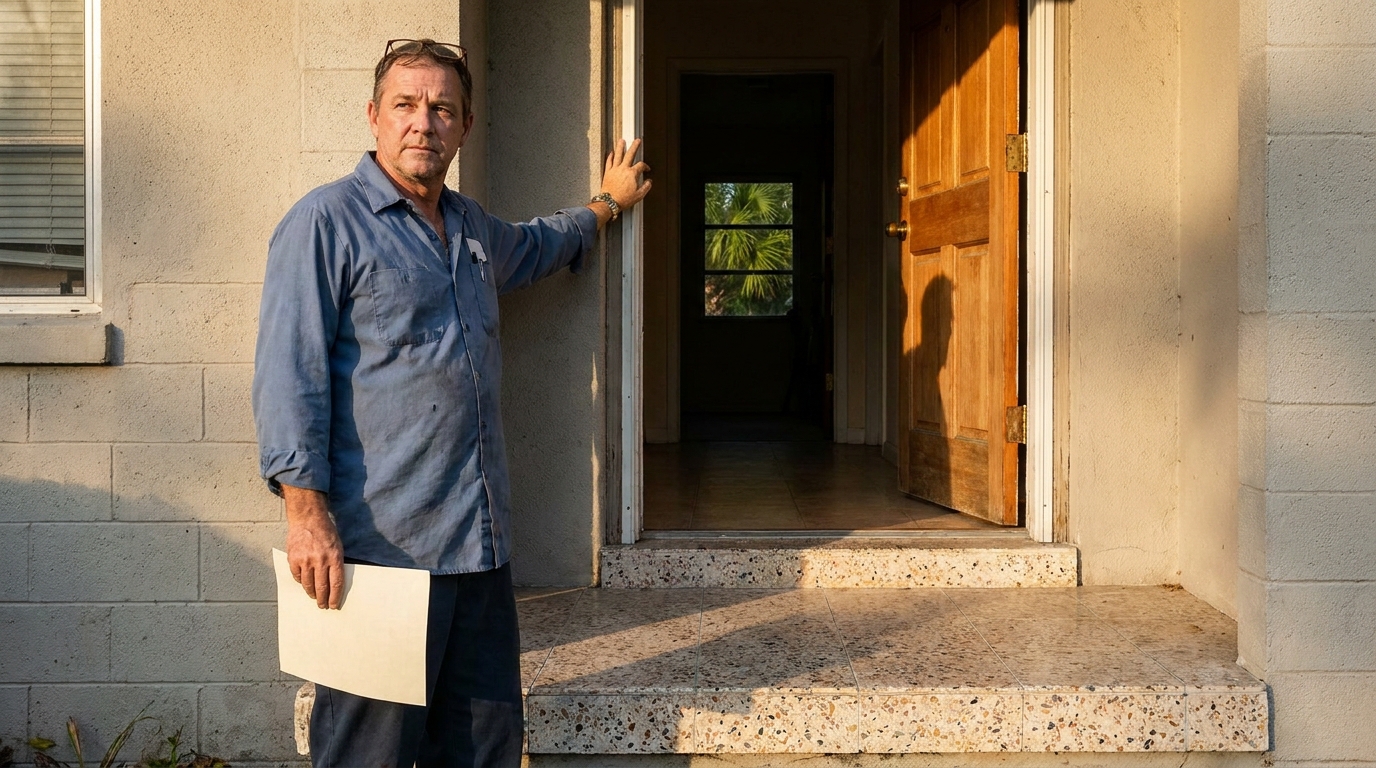
Tampa homeowners can generally borrow against home equity through a HELOC based on the home's value minus the mortgage balance, but Florida layers rules on top of that math — most notably, a married owner can only mortgage homestead property with the spouse's joinder, even if the spouse isn't on the deed or the note. Federal Regulation Z also gives you a right to rescind until midnight of the third business day after the required disclosures are delivered. Those two guardrails shape almost every Tampa HELOC closing.
What is a HELOC under Florida law, and how does it work in Tampa?
A HELOC in Florida is a revolving credit line secured by a mortgage lien on your home, with lenders allowing you to borrow up to a set percentage of the home's value minus your existing mortgage balance. It typically has a draw period of 5–10 years followed by a repayment period of 10–20 years, and many lenders only require interest payments during the draw period. In Tampa, that lien attaches to homestead property, which triggers Florida-specific signing rules at closing.
Because a HELOC is a second mortgage in all but name when you already have a first mortgage, Tampa homeowners in neighborhoods where values have climbed sharply often have more usable equity than they realize. Bay to Bay Lending, which is based at 326 South Hyde Park Avenue in South Tampa, works with homeowners across Hillsborough County on exactly this calculation.
How do Florida's homestead rules affect HELOC eligibility?
Florida's Constitution requires that a married owner may mortgage homestead real estate only with the spouse's joinder on the mortgage instrument. That rule applies even if the spouse is not on the deed and even if only one spouse is applying for the credit. For a Tampa HELOC on the couple's primary home, both spouses sign the mortgage at closing — full stop.
Joinder on the mortgage is not the same as signing the promissory note. A non-borrowing spouse who signs the mortgage consents to the lien on the homestead but does not take on personal responsibility for repaying the debt — only the borrower on the note does. That distinction matters when one spouse has stronger credit or income and you'd rather qualify on that spouse alone.
Florida's homestead protection from forced sale, which shields homes from most unsecured creditors, does not prevent foreclosure on a mortgage the owner voluntarily signed. A HELOC creates a valid, voluntary lien — if payments stop, the lender can foreclose like any other mortgage.
What federal disclosure and rescission rights apply to a Tampa HELOC?
Federal Regulation Z (12 CFR § 1026.40) governs HELOC disclosures, and for a line secured by your principal dwelling you generally have a right to rescind until midnight of the third business day after the latest of the triggering event and delivery of required disclosures and the cancellation notice. That three-day window is yours regardless of lender. During it, no funds disburse and the lien is not final — if you cancel in writing within the window, the deal unwinds.
The rescission right applies to HELOCs on a principal dwelling; it generally does not apply to lines secured by a second home or investment property, and specific regulatory exceptions can change the picture. If you're drawing a HELOC on a primary residence, you have it; on a rental property, you likely don't.
What recording, title, and local costs should Tampa homeowners expect?
Florida law generally requires that a mortgage be recorded in the county's official records to be effective against creditors or subsequent purchasers without notice. For Tampa properties, that recording happens at the Hillsborough County Clerk of Court. Recording a HELOC mortgage adds county recording charges and Florida documentary stamp and intangible taxes to closing costs — amounts set by state and county fee schedules rather than by the lender.
Exact fees for a specific transaction depend on the credit limit and the number of pages recorded, so check the current county clerk's fee schedule before you budget. The ranges your lender quotes in the early disclosure are the practical answer; Bay to Bay Lending's HELOC team walks Tampa homeowners through the specific line items when the application is in motion.
Who qualifies for a HELOC in Tampa in 2026?
Eligibility comes down to equity, credit, income stability, and the property itself. With Florida's median home price just over $410,000 as of 2026 — up nearly 6% from the prior year — and Tampa values generally running above that median, many longtime owners in neighborhoods like Palma Ceia, Beach Park, and Westchase have crossed the equity threshold even if they haven't checked in a while. Credit limits, interest rates, draw-period length, repayment terms, and fees are set by the lender and your loan agreement, not by a statewide Florida HELOC standard.
From Bay to Bay Lending's heloc team: The biggest one is running the credit cards back up after paying them off. That leaves you with the HELOC balance plus new card debt. People also forget they’re turning unsecured debt into debt secured by their home. Stretching the payoff over a long draw period with interest-only payments can mean paying more total interest than they expect, even at a lower rate. If you consolidate, have a plan to pay the balance down, and consider closing or freezing the cards.
HELOC vs. second mortgage in Florida: how are they different?
Both create a lien behind your first mortgage, but they're structured differently. The table below shows how a HELOC and a traditional closed-end second mortgage compare on the dimensions Tampa homeowners most often ask about.
| Feature | HELOC | Closed-end second mortgage |
|---|---|---|
| Credit structure | Revolving line you draw as needed | Lump-sum loan at closing |
| Typical draw period | 5–10 years | None — fully disbursed up front |
| Typical repayment period | 10–20 years after the draw period | Fixed term from day one |
| Payments during draw | Often interest-only | Principal and interest from month one |
| Florida spousal joinder on homestead | Required | Required |
| Three-business-day rescission (principal dwelling) | Applies | Applies |
Bay to Bay Lending, which describes itself as one of the fastest growing lenders in the state of Florida and holds NMLS number 4102, originates both structures for Tampa homeowners and can walk you through which one fits your draw pattern.
Frequently asked questions
Does my spouse have to sign if the Tampa home is only in my name?
Yes, if the property is your homestead. Florida's Constitution requires that a married owner may mortgage homestead real estate only with the spouse's joinder on the mortgage instrument, even when the spouse is not on the deed. Your spouse's signature on the mortgage consents to the lien but does not make them personally liable for repayment — only the person who signs the note owes the debt.
Can I rescind a Tampa HELOC after I close?
For a HELOC secured by your principal dwelling, you generally have a right to rescind until midnight of the third business day after the latest of the triggering event and delivery of the required Regulation Z disclosures and cancellation notice. You must cancel in writing within that window. The right generally doesn't extend to HELOCs on second homes or investment properties, and specific regulatory exceptions can apply.
How much can I borrow with a HELOC in Florida?
Most lenders in Florida allow a homeowner to borrow up to 80–85% of the home's value, minus the existing mortgage balance. Your actual credit limit also depends on credit score, income, debt-to-income ratio, and the property type. Because Tampa home values have climbed in recent years, the gap between what you owe and what you can borrow against is often larger than homeowners expect.
Does Florida's homestead protection stop a HELOC foreclosure?
No. Florida's homestead protection from forced sale shields the home from most unsecured creditors, but it does not prevent foreclosure on a valid mortgage the owner voluntarily signed. A HELOC creates exactly that kind of voluntary lien. If you default, the lender can foreclose through the same judicial process used for any Florida mortgage, and the homestead exemption will not block it.
Does a Tampa HELOC have to be recorded?
Yes, as a practical matter. Florida Statutes § 695.01 generally requires that a mortgage be recorded in the county's official records to be effective against creditors or subsequent purchasers without notice. For Tampa properties, the mortgage is recorded with the Hillsborough County Clerk of Court, and that recording triggers county recording charges plus Florida documentary stamp and intangible taxes at closing.
Is a HELOC the same as a second mortgage in Florida?
A HELOC is a type of second mortgage when there is already a first mortgage on the home — both are liens that sit behind the first. The practical difference is structure: a HELOC is a revolving line you draw against during a draw period of usually 5–10 years, while a traditional second mortgage is a lump-sum loan with fixed payments from day one. Florida's homestead signing rules apply to both.
Putting it together
A Tampa HELOC is a federally regulated product with Florida-specific overlays — the 80–85% equity ceiling and the lender's underwriting are only part of the picture, and the spousal-joinder requirement, the three-business-day rescission right, and county recording are what separate a Florida closing from closings elsewhere. Tampa homeowners who want this handled by a local team can reach Bay to Bay Lending — more than 20 years in the mortgage lending business, with a team carrying more than 32 years of combined lending experience — at (813) 251-2700 or https://baytobaylending.com to talk through what your equity position supports.